Digital Divide Simulator
/
|
|
Scaredy-cat clients. Clients -- from brand managers to CMOs -- are the most risk-averse animals the world has ever seen Cunning Old Media. The old folks -- TV, radio, print -- already have all their metrics in place. Geek-o-phobia. Agencies have done a lousy job of integrating digital people into creative departments. Finance Department Fascists. Because we have a research industry that can't measure or predict emotional involvement, we just fall back on conventional measures of ROI We need a metric that captures the many nuances of involvement a consumer has for a brand. Nothing warms the cockles of a CFO's heart like an expanding pie chart, or a trend arrow pointing at the heavens. Until we get that, we're stuck trying to quantify thing like "passion" and "love."
|
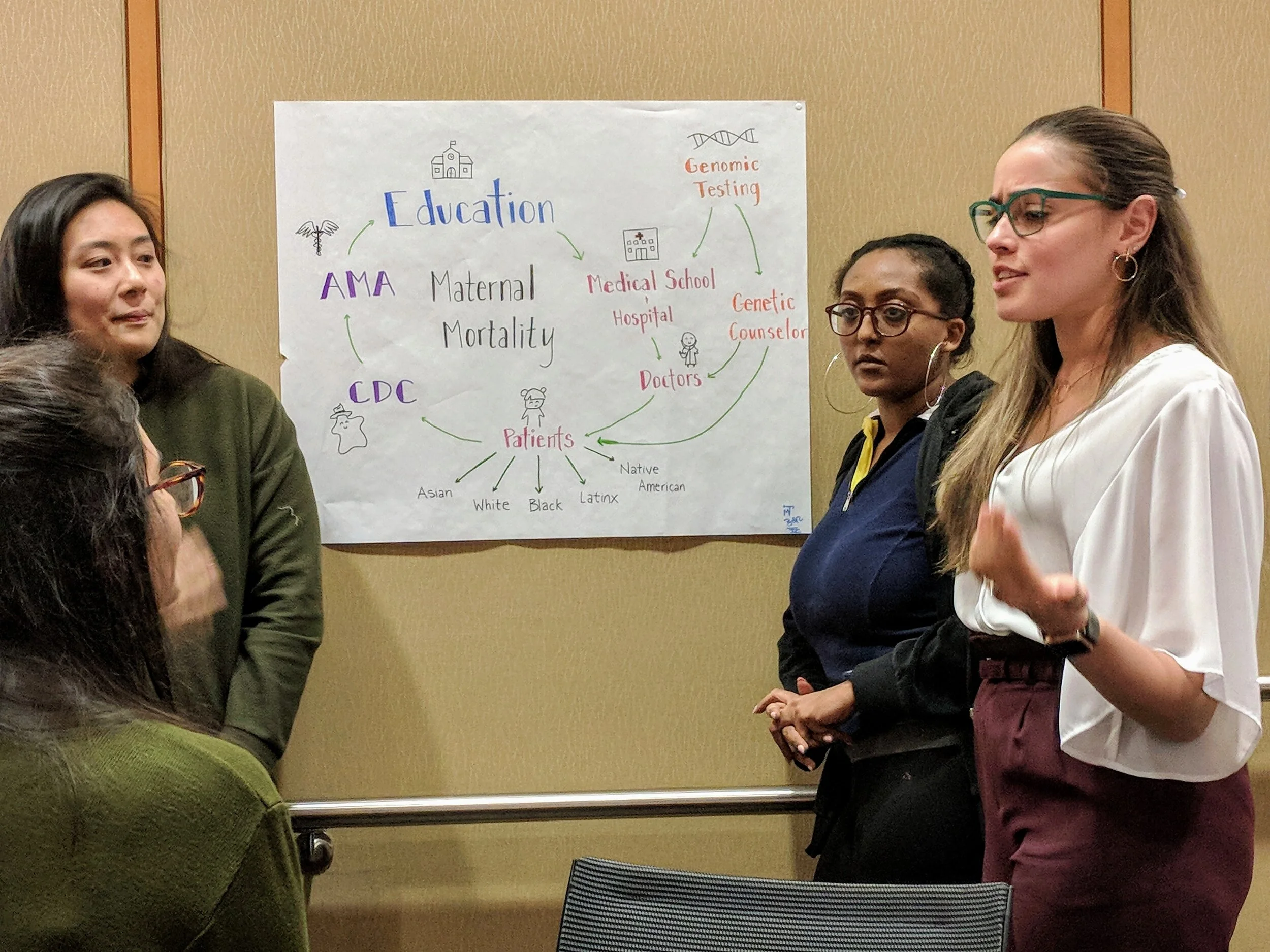
 As designers and facilitators of rich conversations, we serve a valuable role in innovation.
As designers, we can give shape to the results of those conversations. We produce a thing--sometimes called a "work product" or "knowledge object" or "communication tool" or [insert corporatespeak term here].
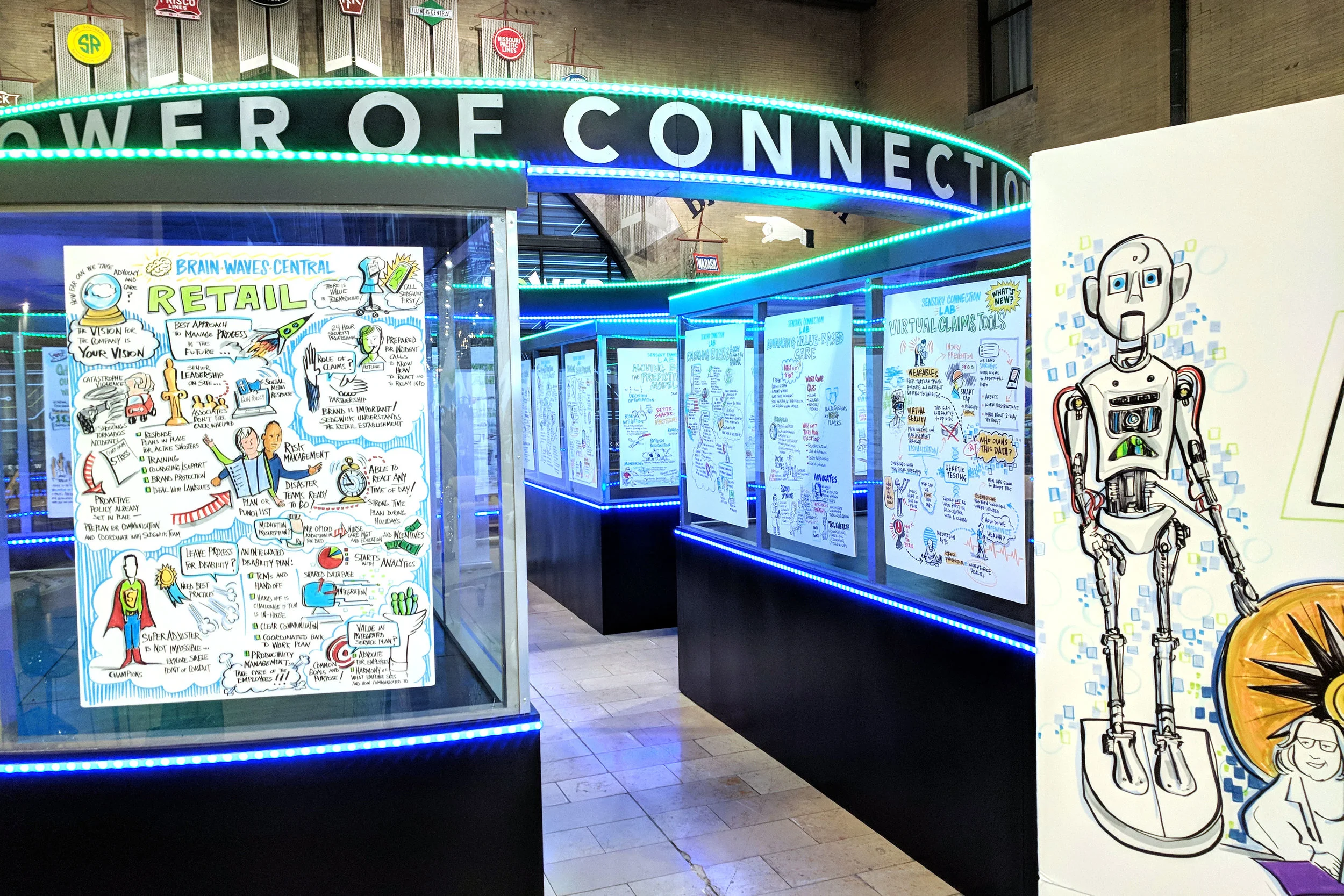
These work products can take the form of a static model, a complex information graphic, a magazine article, a schematic diagram, a fully interactive website, a private wiki, an unedited blog post, or an airport lobby-sized installation art piece. The form is chosen for the target audience (and.. ah yes, the budget) in question.
Whatever the output, the real heart and soul of the innovation process seems to remain the conversation.
The network members of Social Media Today are playing in the emerging space of new ways to have those conversations.
In economics, business and government policy,- something new - must be substantially different, not an insignificant change. In economics the change must increase value, customer value, or producer value. The term innovation may refer to both radical and incremental changes to products, processes or services. |
From LifeHack's 11 Top New Web Apps of 2007:

|

Addressing the December 17 gathering, Manpower CEO Jeff Joerres explained how – while the company is helping solve thorny staffing issues in China, India, France, and Mexico – unemployment remains high right in its own back yard. “We want to take the good things happening in this neighborhood, see if we can accelerate them, and take time and thoughtfulness to do so,” he said.
About 100 people attended the mid-December summit, and about 60 people – including a dozen or so members of the city-sanctioned Workforce Investment Board – spent three hours talking about what it would mean if everyone in the neighborhood had meaningful work. Using a guide developed by Manpower with the help of the Study Circles Resource Center (soon to be renamed Everyday Democracy), participants were asked to imagine a backpack containing the most important things people would need “to help them choose, prepare for, and obtain the right job for their talents and interests.” Items mentioned included opportunity, education, knowledge, self-awareness, trust, support, financial skills, and time-management skills. In one dialogue, participants noted the lack of a safety net of help with childcare, transportation, or simply the ability to take time off for an emergency.
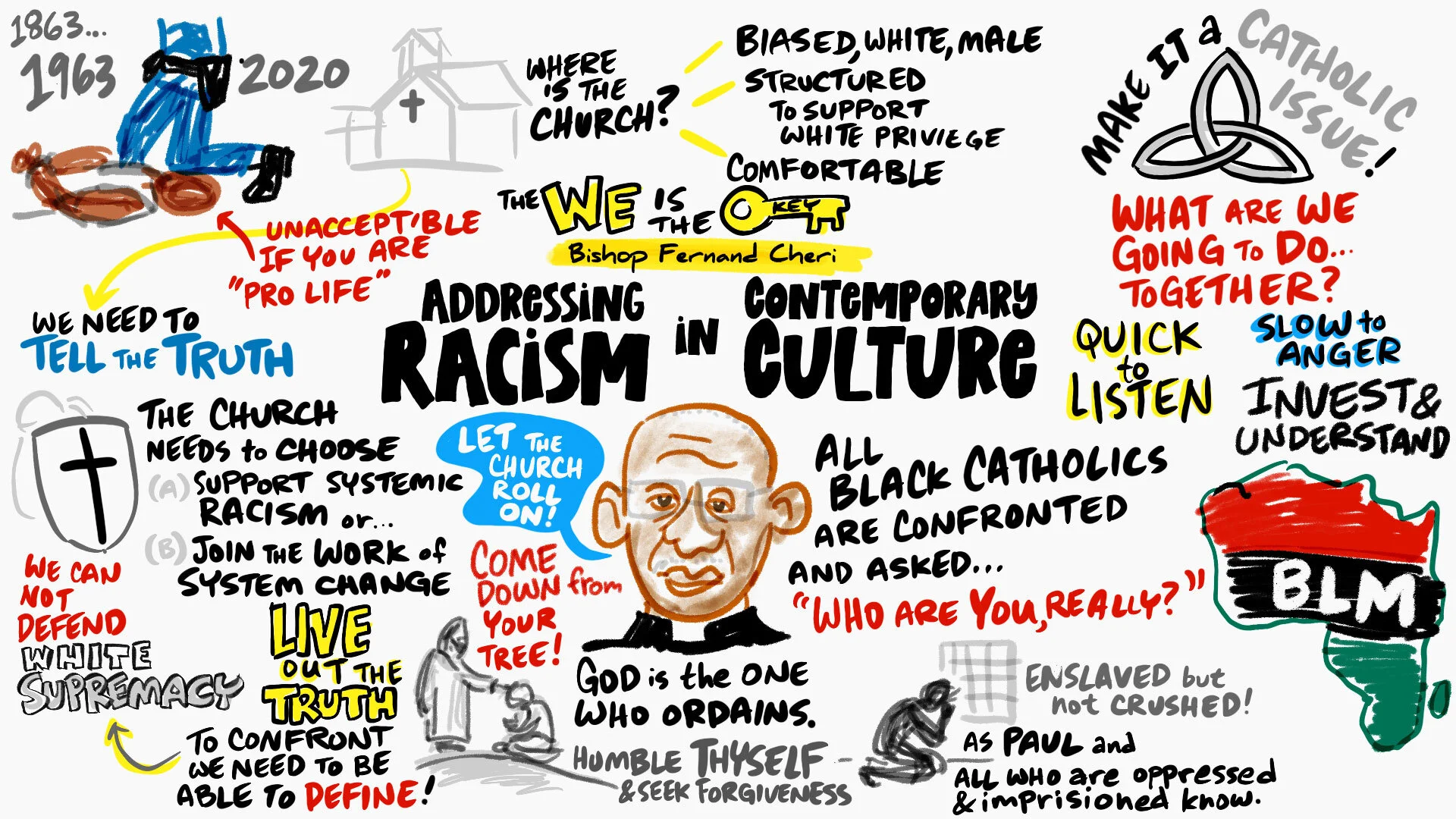
As the circles worked, facilitators made written lists of ideas and observations, and graphic facilitator Jim Nuttle from Alphachimp Studio Inc. rendered the conversations into words and pictures. People spoke of barriers including racism, inadequate public transit, inflexible employers, the need for a living wage (working at or near the minimum wage is hardly worth it, some said), and the lack of gathering places where diverse people can meet and network. But they also spoke of assets including schools, the Milwaukee Area Technical College (whose president took part in a dialogue), non-profit organizations, and forward-thinking businesses.After the dialogues ended, participants gathered to prioritize the action items proposed using keypad technology provided by Padgett Communications.
 Which social networking sites have the best balance of ease-of-use vs. available features? The British consumer magazine Computing Which? has ranked Bebo as the best social networks, ahead of rivals Facebook and MySpace. The Guardian writes:
Bebo and Facebook achieved the highest scores of 79% and 74% respectively, and were rated easier to use than MySpace and best for socialising. Bebo, which is used predominantly by the 13- to 24-year-old age group, is praised for working hard to encourage responsible networking. "Users can restrict who sees their information, and block users, and there's plenty of advice on security risks and how to avoid these," says the magazine.Details that matter to new users include: ease of sign-up, length of process, ease of use, features, navigation, and speed of page loads. Of course, one of the major drivers is the number of friends the new user already has on the service!


Article by Bill McGraw | December 18, 2007
|
Alphachimp LLC is a visual learning company based in Houston, Texas.
Through drawings, animations, and the design-thinking process we help people understand complex situations and make better decisions.
We provide a cluster of inter-related services in the area of visual learning, graphic facilitation, problem-solving, and innovation.
COPYRIGHT © 2022 ALPHACHIMP, LLC
ALPHACHIMP® and ROCKSTAR SCRIBE® and DOODLES IN MOTION® are registered in the U.S. Patent and Trademark Office.